At a Glance
- Diesel reliance is a growing risk
Rising costs, supply instability and tighter emissions rules are increasing pressure on site operations. - Renewables are now a business-critical decision
Off-grid solar and hybrid power support cost control, compliance and resilience. - Early adopters are gaining an edge
Businesses switching from diesel are improving profitability and winning more work. - Proven cost and carbon savings
Real-world projects are delivering significant reductions in fuel use and emissions. - Better performing sites
Cleaner, quieter power reduces disruption and improves efficiency. - Industry shift is already underway
Contractors and hire companies are moving away from diesel to futureproof operations.
Off-grid renewable power and lighting expert, John Foster, Managing Director, Prolectric, talks about the operational risks for businesses that are relying solely on diesel to power their sites.
As regulators call for the tightening up of environmental site emissions, early adopters of renewables are now not only ahead of the game when it comes to compliance but also are able to realise a competitive advantage. As fuel markets remain unpredictable and supply chains increasingly fragile, more organisations are recognising the strategic value of futureproofing and diversifying their onsite energy sources. As a result, off-grid renewable power is rapidly becoming an intrinsic part of a site operator’s risk-management business strategy – and no longer just perceived as an isolated tick box sustainability exercise.
The successful project management of temporary and remote sites calls for a myriad of high-level operational skills and considerations. Balancing project delivery with rigorous safety compliance, environmental concerns and robust fiscal control remains a relentless operational challenge for many. Coupled with skills shortages, high inflation, rising material and equipment costs, not to mention volatile fossil fuel supply chains, today’s large-scale site operators face mounting pressure from all directions.
We are currently witnessing a phenomenal pivot within our client base, where long-term established customer businesses have parted with their traditional diesel-dependent plant hire equipment in favour of investing in renewable off-grid alternatives. Business, they say, is booming, in what is globally a very difficult market. For many companies, the adoption of more sustainable business practice is having a halo effect, helping to enhance brand reputation, and attract more environmentally conscious clients who share similar values. The strategic reinvention and repositioning of traditional diesel-dependent businesses is clearly paying dividends.
A recent example is Nixon Hire’s impressive transition from a general provider of equipment to experts in sustainable sites. In 2024, Nixon Hire sold its large plant business, followed by the sale of its welfare van division, allowing the company to reinvest resources into sustainable site solutions and a renewable energy division. With an accomplished senior leadership team, united by a shared vision, Nixon Hire is rapidly establishing itself across the UK as a leading partner for sustainable site solutions.
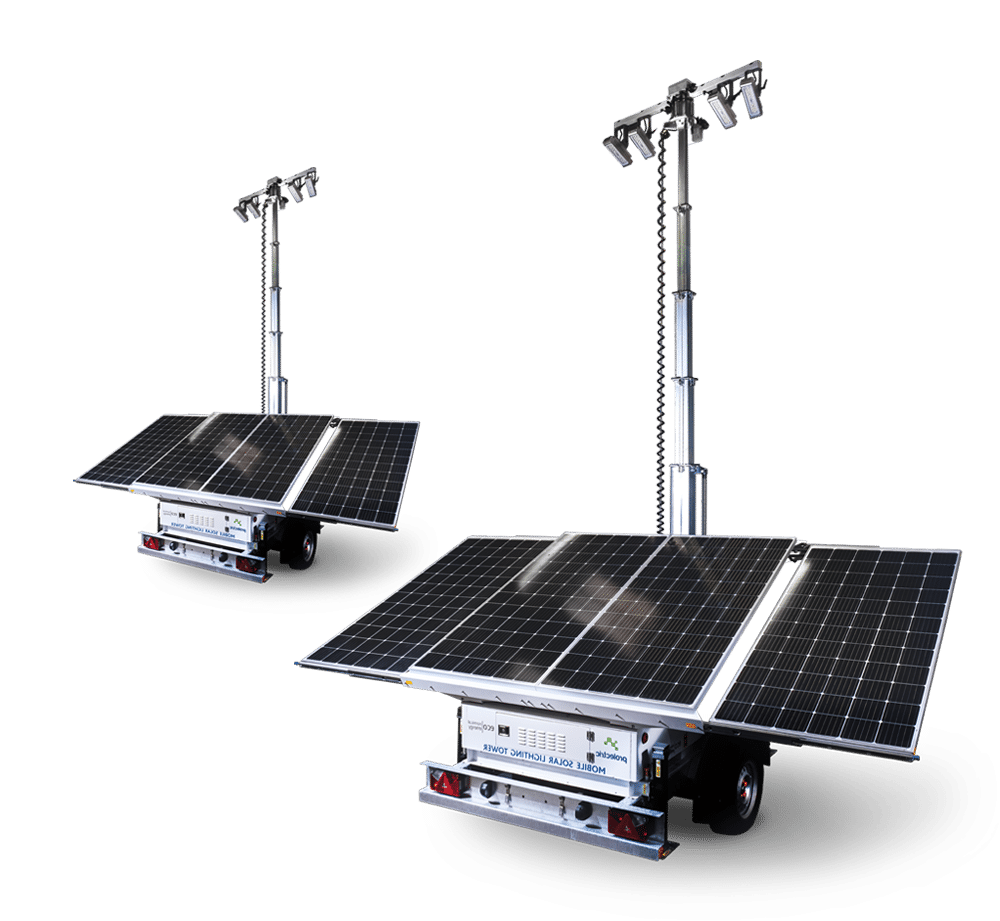
Notably, our partnership with Kier and National Highways on the A417 Missing Link infrastructure project, involves the replacement of multiple diesel generators and the introduction of solar lighting in an intentional move to cut fuel use, emissions and running costs.
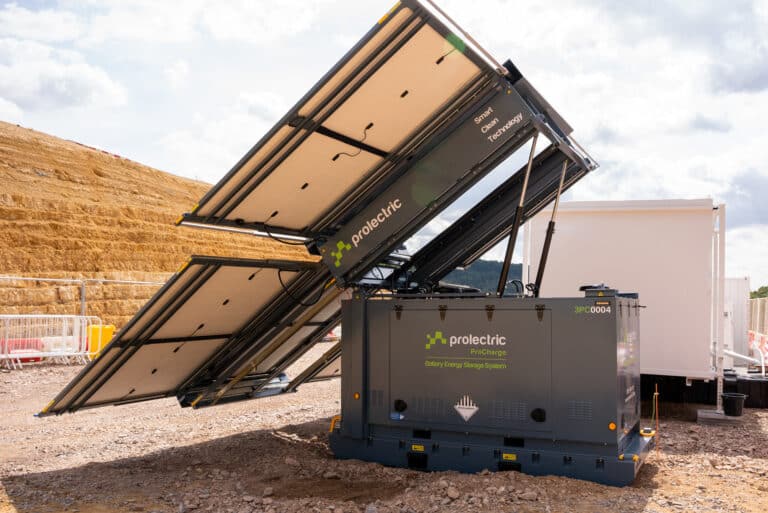
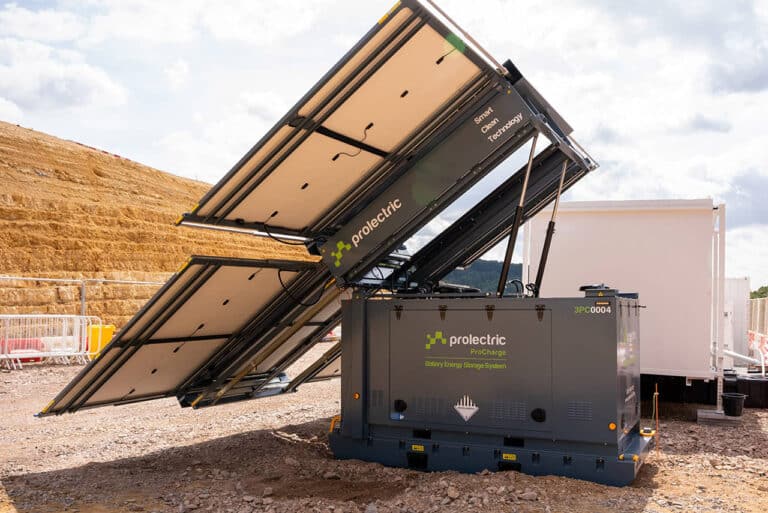
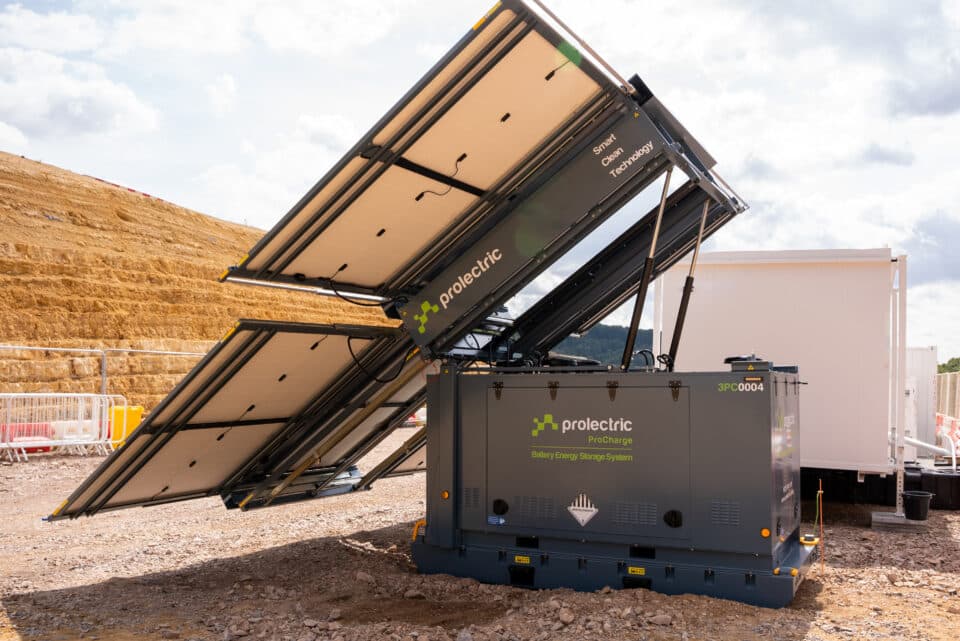
The project continues at pace as it enters its third year with Kier reporting a 75% fuel saving within a month after substituting a traditional 24/7 diesel unit with our Solar Hybrid Generator. Additionally, through the deployment of our battery energy storage system (BESS) to support a large cabin cluster, the system has saved more than £200 a day in fuel costs at peak use and materially reduced maintenance requirements. Kier has estimated savings of more than £250,000 over several months and projects annual savings above £638,000; it also forecast cuts of “over 800,000 kg of CO2e per year” from adopting the hybrid and solar systems.
Enlightened businesses, running cleaner, quieter, more productive sites are not only cutting carbon emissions but effectively protecting themselves and the supply chain from continuous operational and budgetary setbacks. Their diesel reliant counterparts increasingly leave projects exposed to an array of avoidable delays, some with far reaching consequences, from health and safety to potential derailment. Many of these repeat headaches could be easily usurped and avoided through the deployment of an operational off-grid strategy.
Through the adoption of stable, predictable, clean solar energy, lighting and hybrid power, we can significantly reduce industry’s reliance on diesel, mitigate the associated risk of cost uncertainty, and improve overall site resilience, performance and profitability. For equipment hire companies, the strategic switch from diesel to solar is making business sense on many levels, with renewable, off-grid products and equipment commanding a higher price premium, and weekly rental rates, over their diesel counterparts, with significantly higher rental utilisation.
The construction sector can no longer afford to treat renewable site power as a future aspiration. In an era of volatile fuel markets, tightening emissions rules and increasing operational complexity, off-grid renewable energy is fast becoming a fundamental requirement for resilient project delivery.

Mike Cooper
Strategic Business Development Manager
Share


FAQs
Diesel generators expose sites to rising fuel costs, supply uncertainty and increasing emissions regulations, creating both financial and operational risk.
Off-grid solar lighting, hybrid generators and battery energy storage systems provide reliable power while reducing fuel use, emissions and running costs.
By integrating solar generation, battery storage and hybrid systems, sites can significantly reduce generator runtime and fuel consumption.
Yes. Modern systems are designed for UK conditions, using intelligent energy management and battery storage to ensure consistent performance year-round.
Savings vary by site but many projects achieve significant reductions in fuel costs, maintenance and overall operating expenses.
Proven savings vs diesel alternatives
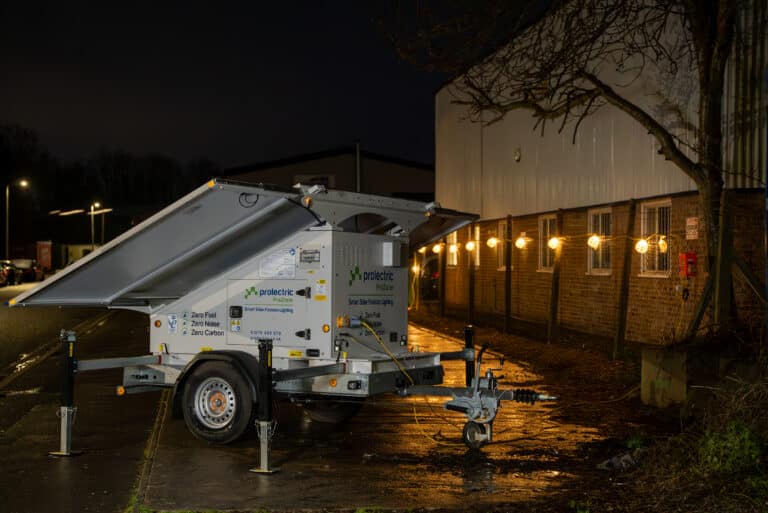
- ProLight Solar Lighting Tower: Save 5,472 litres of fuel per year, reduce costs by £10,806 annually and mitigate 14,665 kg of CO₂e
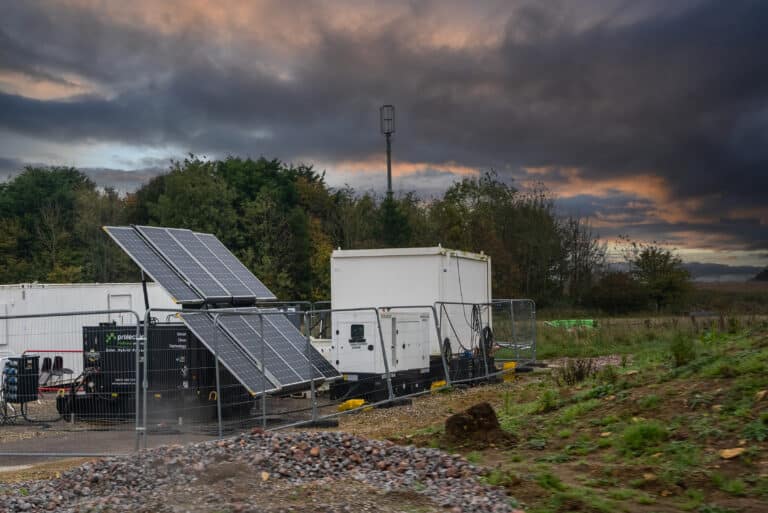
- ProPower Solar Hybrid Generator: Save £17,382 annually, reduce fuel use by up to 9,473 litres per year and mitigate 25,388 kg of CO₂e
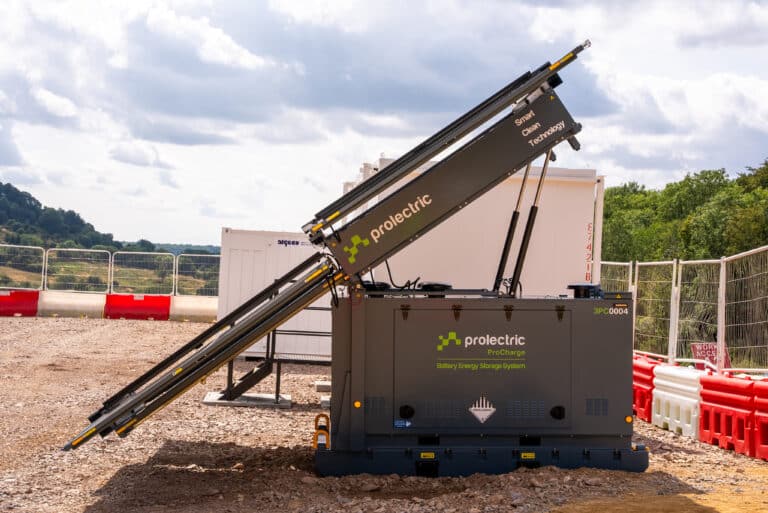
- ProCharge Solar Battery Energy Storage System (BESS): Reduce fuel costs by 75%+ and save £69,000+ per year per unit
In many cases, yes. Where needed, hybrid systems use diesel as backup only, dramatically reducing runtime and fuel dependency.
Lower fuel costs, reduced emissions, quieter operation, improved reliability and easier deployment without grid connection.
No. It is increasingly used across construction, infrastructure, logistics and temporary site applications of all sizes.
By reducing or eliminating diesel use, sites can significantly cut carbon emissions and align with sustainability and compliance requirements.