At a Glance
• Diesel is becoming harder to justify on live infrastructure projects as fuel costs, reporting pressure and cleaner alternatives accelerate change.
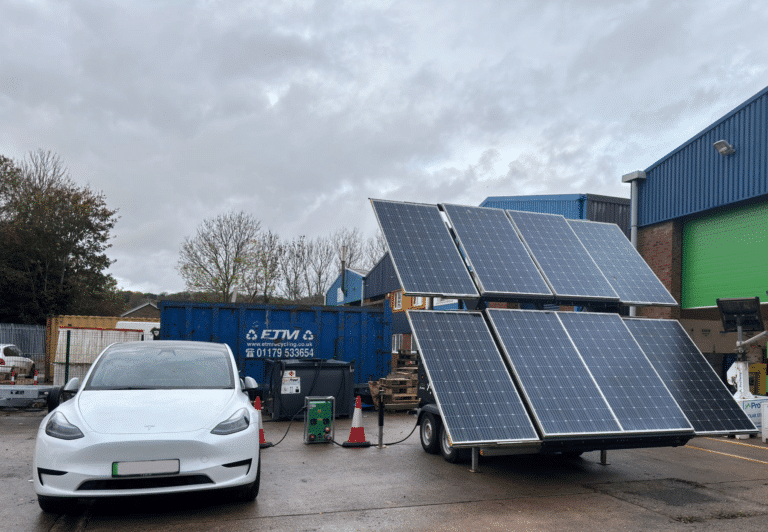
• A417 and A14 show solar and hybrid power can cut cost, carbon and generator runtime without compromising performance.
• Real-time data and remote monitoring helps contractors prove fuel, cost and CO2e reductions at project and fleet level.

For years, diesel has been the default on infrastructure projects. Reliable, familiar – but increasingly expensive, high-risk and out of step with where the industry is heading.
That shift is now accelerating.
With ongoing fuel price volatility, tightening environmental expectations and growing pressure to decarbonise, the question is no longer if diesel will be replaced – but how quickly.
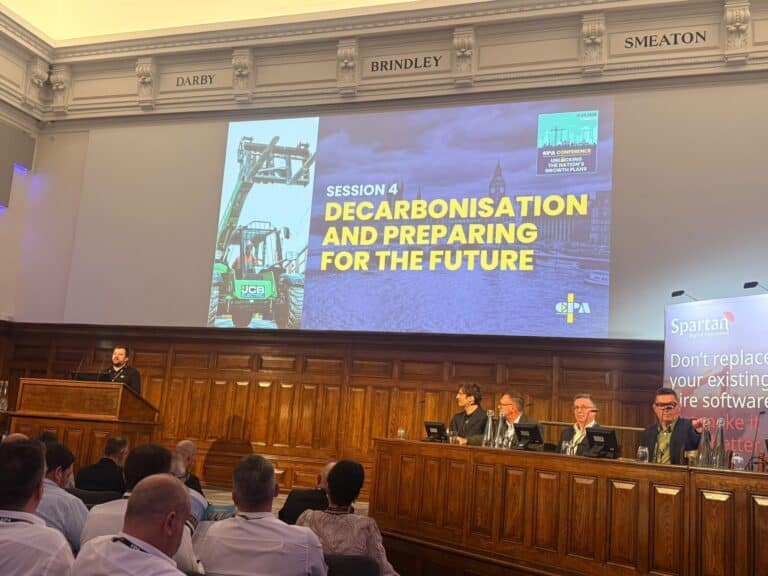
A recent feature in Intertraffic highlights this transition, and importantly, what it looks like in practice.
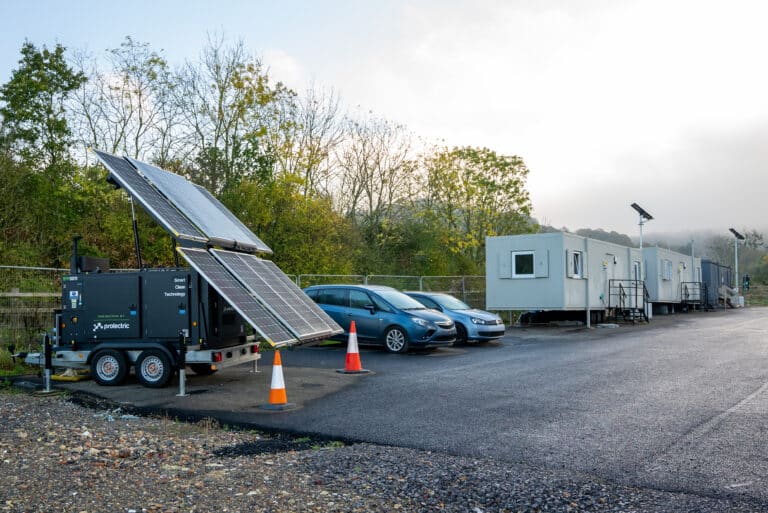
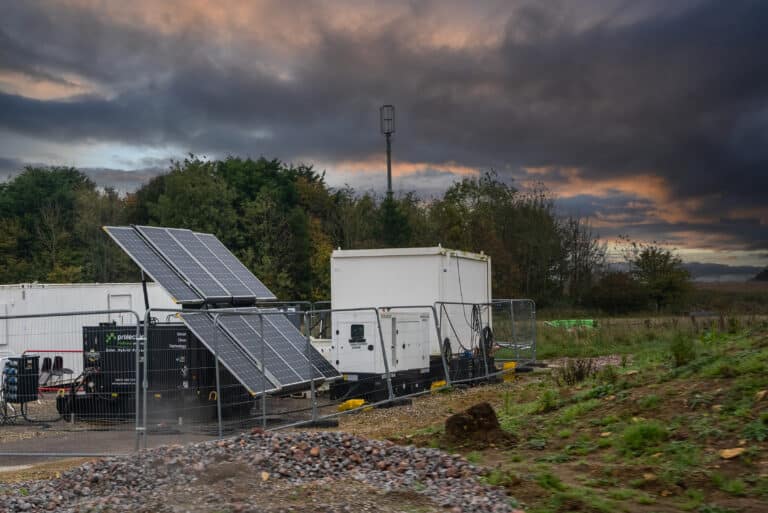
Projects like the A417 Missing Link and A14 are proving that moving away from diesel isn’t theoretical – it’s already happening on live, complex National Highways schemes.
What’s changing?
- Diesel is no longer cost-stable: Fuel price fluctuations are creating ongoing uncertainty in project budgets, making long-term planning more difficult and increasing financial risk.
- Sustainability is now measurable: Carbon reporting, ESG targets and environmental accountability are no longer optional. They are actively shaping procurement decisions and influencing how projects are delivered.
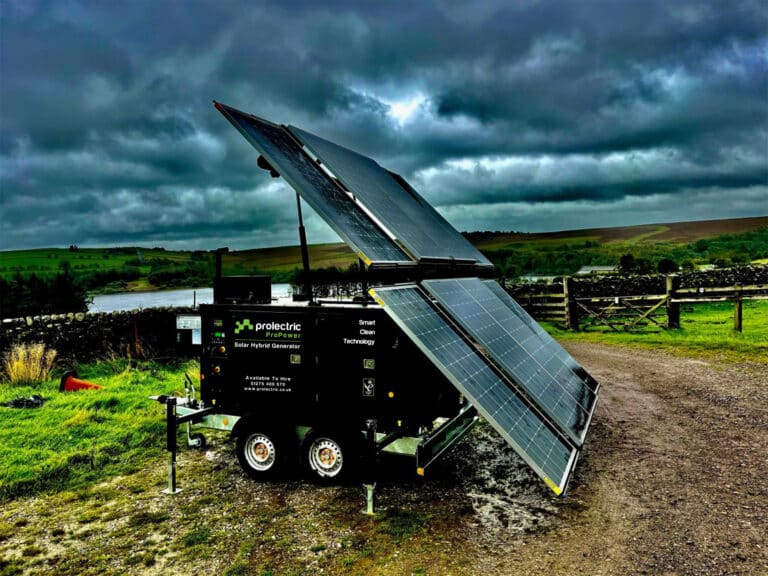
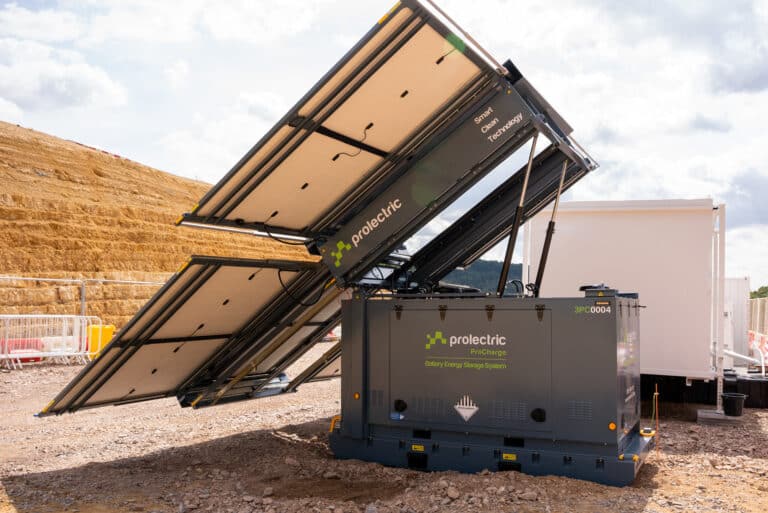
- Technology has caught up: Solar hybrid power and battery energy storage systems are now capable of delivering reliable, scalable alternatives to traditional diesel-powered equipment – even on high-demand infrastructure sites.
A shift in mindset
Perhaps the most important change isn’t just technological – it’s strategic.
We’re seeing a reinvention across the supply chain, where traditional diesel-dependent operations are being challenged, rethought and redesigned for a lower-carbon future.
This is about more than replacing one piece of equipment with another. It’s about fundamentally changing how energy is generated, managed and used across infrastructure projects.
And critically, this shift isn’t coming at the expense of performance.
Better outcomes, not compromise
Moving away from diesel is no longer seen as a trade-off.
It’s delivering:
- Lower and more predictable operational costs
- Reduced carbon emissions and improved ESG performance
- Greater resilience and efficiency across site operations
Projects like A417 and A14 are demonstrating that these outcomes are not only achievable, but scalable.
Why this matters now
The industry is reaching a tipping point.
Rising fuel costs, regulatory pressure and proven alternative technologies are combining to accelerate change faster than many expected.
What was once considered innovation is quickly becoming standard practice.
The article captures this transition well, exploring how infrastructure projects are already leading the way in redefining site power and lighting.
👉 Read the full feature here.

Mike Cooper
Strategic Business Development Manager
Share


FAQs
Savings vary by site but many projects achieve significant reductions in fuel costs, maintenance and overall operating expenses.
Proven savings vs diesel alternatives
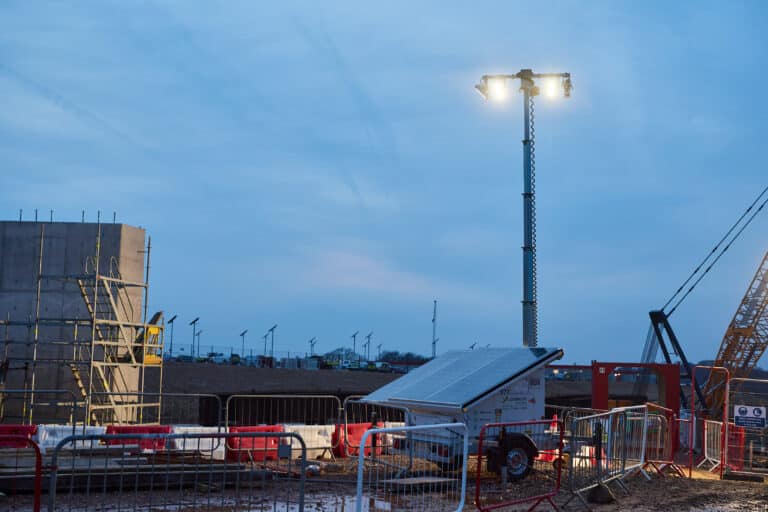
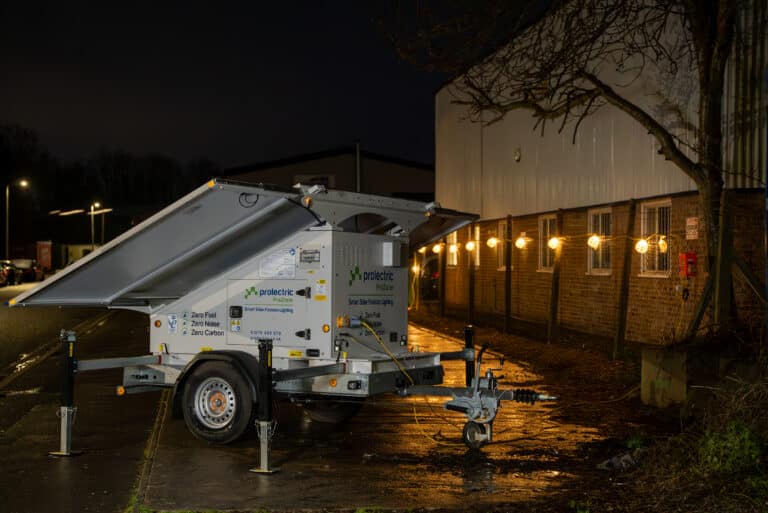
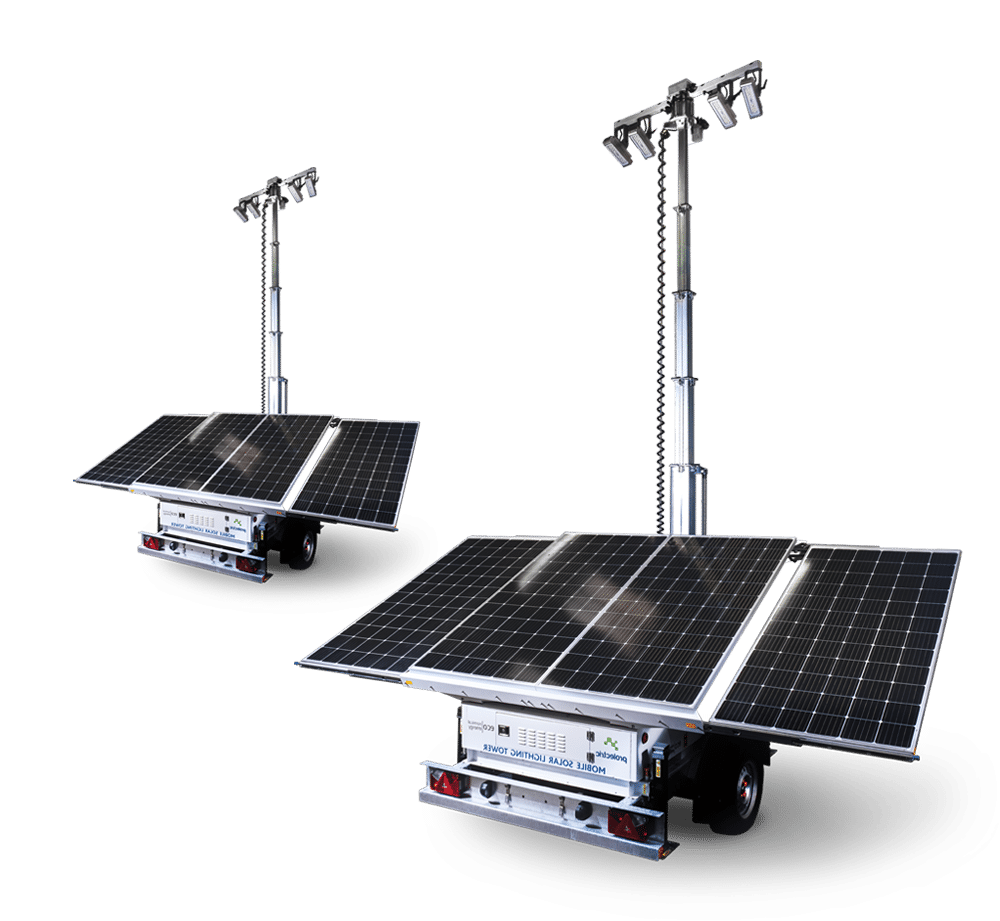
- ProLight Solar Lighting Tower: Save 5,472 litres of fuel per year, reduce costs by £10,806 annually and mitigate 14,665 kg of CO₂e
- ProPower Solar Hybrid Generator: Save £17,382 annually, reduce fuel use by up to 9,473 litres per year and mitigate 25,388 kg of CO₂e
- ProCharge Solar Battery Energy Storage System (BESS): Reduce fuel costs by 75%+ and save £69,000+ per year per unit
Our ProCharge 3 phase saves 100% of diesel as it is a solar only unit – however, when linked to a HVO generator it saves £250+ on fuel per day or up to 75%, load dependent. By using HVO instead of diesel it also mitigates the carbon emissions typically given off with diesel generators.
Customers typically save up to 90% on fuel costs, depending on site load profile and duration.
In many cases, yes. Where needed, hybrid systems use diesel as backup only, dramatically reducing runtime and fuel dependency.
Solar-powered lighting eliminates fuel consumption, reduces carbon emissions, removes generator noise and minimises maintenance requirements. It can also significantly reduce operating costs over time.
- ProZone replaces 3 diesel tower lights over a 150m perimeter
- £14,042 saved in annual operating costs
- Cost-neutral in under 6 months – compared to buying and running 3 diesel tower lights
- £105,692 total cost of ownership saved over 7 years