At a Glance
Learn how event operators can reduce temporary lighting costs, remove diesel dependency and improve operational efficiency while maintaining safe, reliable lighting across visitor areas.

Why smarter temporary lighting decisions are helping event operators control costs, reduce workload and improve the visitor experience
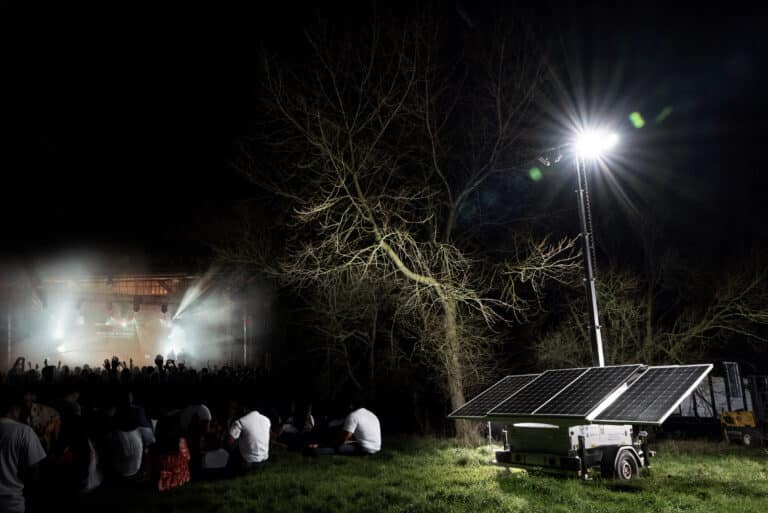
Every successful event relies on the things visitors rarely notice. Safe car parks. Clear walkways. Well-lit entrances and exits. Smooth movement around site before, during and after the event.
Temporary lighting plays a critical role in making this happen, especially for outdoor events, seasonal attractions and venues operating away from mains infrastructure.
But as operational costs continue to rise, many event organisers are reviewing a difficult question:
How do we reduce costs without affecting the safety or experience of our visitors?
The answer is not simply using less lighting. It is using smarter lighting.
Effective event lighting starts with the right plan
Reducing lighting costs should never mean reducing coverage or compromising safety. The most efficient event sites start by understanding where lighting is needed and when.
Important considerations include:
- Visitor arrival and exit routes
- Car park layouts
- Pedestrian walkways
- Staff working areas
- Emergency access routes
- Operating hours
- Areas without existing power
A smarter lighting strategy ensures the right level of illumination is delivered in the right locations, without unnecessary energy use.
The challenge: cutting costs without cutting corners
For event operators, lighting requirements are non-negotiable.
Reducing lighting coverage can increase risks around:
- Vehicle movement
- Pedestrian routes
- Emergency access
- Staff working areas
- Visitor confidence
But traditional diesel lighting towers introduce ongoing costs that continue throughout the event season.
The challenge is not whether these areas should be illuminated. It is how to provide the required coverage without carrying unnecessary fuel, labour and maintenance costs throughout the event season.
Over several weeks or months, the cost of running temporary lighting can become significantly higher than expected. And often, these costs are accepted simply because “that’s how it has always been done”.
Understanding the real cost of event lighting
When comparing lighting solutions, the hire cost of the equipment is only one part of the calculation.
The bigger question is:
What does that lighting cost you to operate?
A diesel tower may require:
- Regular fuel deliveries
- Staff time managing equipment
- Generator servicing
- Additional site movements
- Refuelling management
These operational costs often sit across different budgets, making the true cost difficult to see. A lower weekly hire rate does not always mean a lower-cost solution.
Switching from diesel doesn’t mean redesigning your event site
One of the biggest concerns when introducing new technology is disruption. Event operators need solutions that fit around existing site layouts, schedules and operational requirements.
Prolectric supports the transition from diesel lighting by helping customers understand:
- Lighting requirements
- Tower positioning
- Coverage areas
- Operating schedules
- Deployment planning
Once installed, remote monitoring provides visibility of performance throughout the event period, reducing the need for manual checks.
Reducing costs through automation
One of the biggest opportunities for event operators is reducing unnecessary manual tasks. During busy periods, teams should be focused on delivering a safe, enjoyable visitor experience – not managing lighting equipment.
Modern solar lighting technology allows operators to automate their lighting strategy through:
- Remote scheduling
- Performance monitoring
- Automatic operation
- Real-time visibility
Lighting operates when it is needed, without requiring teams to manually start, stop or inspect equipment every day.
Reliable lighting when it matters most
For events, performance cannot be compromised.
Lighting needs to work:
- During winter evenings
- Through changing weather conditions
- Across large outdoor areas
- When visitor numbers are at their highest
When assessing a solar lighting solution, event operators should confirm the required operating hours, expected seasonal performance, battery autonomy, lighting coverage, remote-monitoring capability and support arrangements.
The specification should be based on the site layout and event schedule rather than a generic unit count.
Improving safety while reducing disruption
The right lighting strategy does more than reduce costs. It helps create a safer and more enjoyable environment.
Solar lighting supports:
- Clear visitor routes
- Safer car parks
- Improved staff visibility
- Reduced vehicle movements as no refuelling
- Quieter event spaces
- Lower environmental impact
For venues operating near residential areas, removing diesel engines can also reduce noise disruption during evening events.
Real results: Avon Valley Adventure Park Festivals
Avon Valley Adventure Park runs some of the South West’s most popular seasonal attractions, including its award-winning Fear Scream Park and Christmas events.
With thousands of visitors arriving during darker months, reliable car park lighting was essential.
The challenge
Its previous diesel lighting approach created:
- Ongoing fuel costs
- Regular refuelling requirements
- Noise and emissions
- Additional manual work for the event team
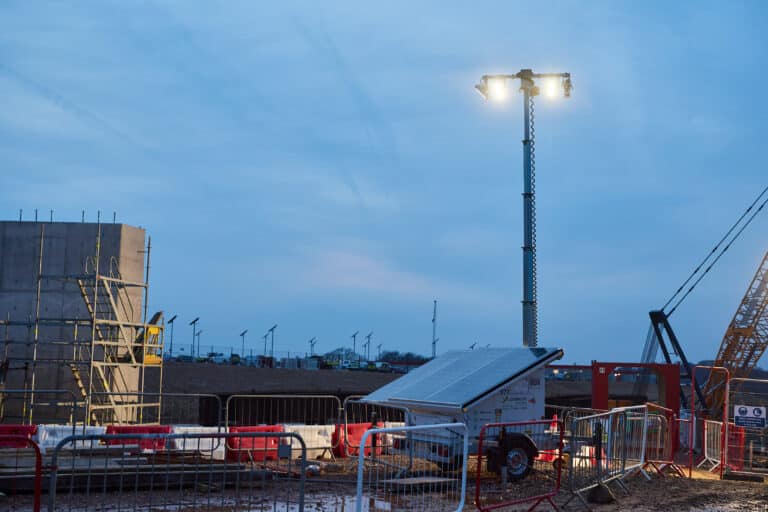
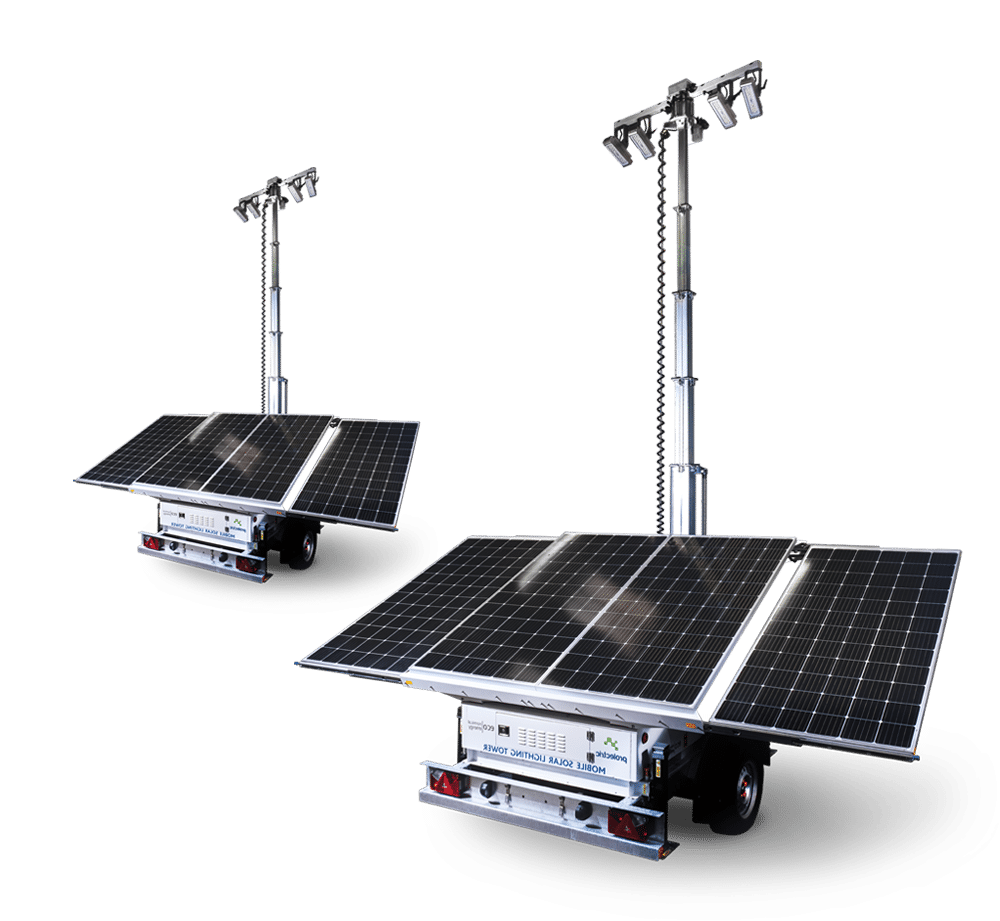
By switching to ten ProRXM solar lighting towers, Avon Valley introduced a fully off-grid lighting solution designed to improve efficiency without compromising lighting performance.
The results over five weeks
| £8,772 | 5,461 litres | 13,760 kg CO₂e |
| Fuel cost savings | Diesel fuel saved | Emissions avoided |
Automated scheduling and remote monitoring also removed the need for daily manual operation, allowing the lighting to run when required without staff having to switch units on and off.
They gave us bright, reliable lighting across car parks and key guest areas, without the noise, fumes or refuelling issues that come with diesel towers. Overall, they’ve improved safety, reduced hassle for our crew and delivered a cleaner, more professional event site.
Doug Douglas
Owner, Avon Valley Adventure Park
That combination of reliable illumination, reduced disruption and lower operational effort is what a well-planned event lighting strategy should deliver.
Read the full Avon Valley Adventure Park case study.
Ready to plan your next event season?
The biggest savings come from reviewing site requirements before the season begins.
Understanding:
- How many areas need lighting
- Operating hours
- Visitor movement
- Car park layouts
- Current fuel usage
allows operators to build a more efficient lighting plan before equipment arrives on-site.
With event season approaching, now is the time to understand where unnecessary costs can be removed.
Planning your next event?
Every event site is different.
Discover where you could reduce fuel costs, remove unnecessary operational tasks and improve efficiency with a tailored solar lighting assessment.
Share your site requirements with our team and find out how much you could save.
Request your free event lighting assessment
Already know what you need? Request a hire quote or ask about booking a free trial.

Stacey Howarth
Business Development Executive
Share


FAQs
Yes – it’s engineered to perform year-round in UK conditions, storing enough solar power for consistent overnight lighting.
On average our ProRXM saves 1,680 litres compared to the next most efficient diesel tower light. The ProRXM saves 100% of diesel as it is a solar only unit.
With no fuel costs, no servicing, and no noise, ProRXM offers significant savings – delivering ROI from day one.
The ProRXM delivers up to 5,292 sqm light coverage, suitable for medium-sized sites, highways, and event spaces.